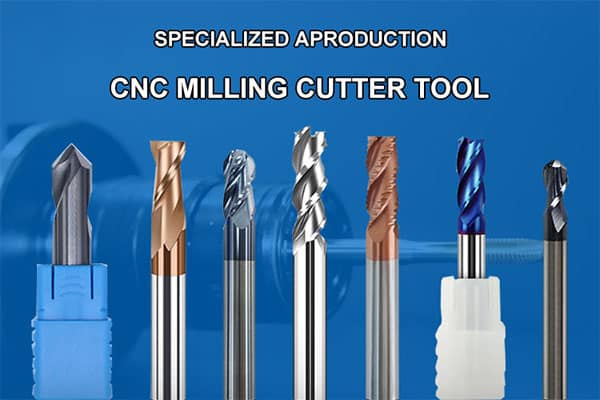
We’re delving into an essential topic for anyone involved in machining and manufacturing: the maintenance of milling cutters. Proper maintenance of these tools is crucial for ensuring their longevity, performance, and the quality of your work. In this guide, we’ll cover the key aspects of milling cutter maintenance, providing you with practical tips and best practices to keep your tools in top condition.
The Importance of Milling Cutter Maintenance
Milling cutters are vital tools in various machining processes, used to remove material and create precise shapes and features in a workpiece. Regular maintenance is essential to:
- Extend Tool Life: Proper care reduces wear and prevents premature failure.
- Maintain Precision: Well-maintained cutters produce accurate and smooth surfaces.
- Enhance Efficiency: Sharp and clean cutters work more efficiently, saving time and effort.
Daily Maintenance Routine
Incorporating a daily maintenance routine can significantly prolong the life of your milling cutters. Here are some essential steps to include:
- Cleaning: After each use, clean the cutters thoroughly to remove chips, debris, and any residue. Use a soft brush and compressed air to ensure all particles are cleared from the cutting edges and flutes.
- Inspection: Regularly inspect the cutters for signs of wear, such as chipped or dull cutting edges. Check for any damage or deformation that could affect performance.
- Lubrication: Proper lubrication during use is essential to reduce friction and prevent overheating. After use, ensure cutters are stored in a lightly oiled condition to prevent rust.
Periodic Maintenance
In addition to daily care, periodic maintenance is crucial for optimal performance. Depending on the frequency of use, perform these tasks weekly or monthly:
- Sharpening: Over time, cutters can become dull. Professional sharpening can restore their cutting edges and extend their usability. Consult with a specialist or invest in a high-quality sharpening tool.
- Calibration: Ensure your cutters are producing work within the required tolerances. Use measuring tools to check accuracy and recalibrate as necessary.
- Storage: Store your cutters in a clean, dry environment. Use protective cases or holders to prevent physical damage and contamination. Avoid stacking cutters directly on top of each other.
Best Practices for Longevity
Implementing the following best practices will help you get the most out of your milling cutters:
- Proper Usage: Always use the right cutter for the material and the specific milling operation. Avoid using excessive force, as this can damage the cutter and the workpiece.
- Correct Speeds and Feeds: Follow the manufacturer’s recommendations for cutting speeds and feeds. Incorrect settings can lead to premature wear and tool failure.
- Regular Replacement: Recognize when a cutter has reached the end of its useful life. Continuing to use a worn-out cutter can result in poor-quality work and potential damage to the workpiece.
- Training and Safety: Ensure that operators are properly trained in the use and maintenance of milling cutters. Emphasize the importance of wearing appropriate safety gear and following best practices to avoid accidents.
Troubleshooting Common Issues
Even with regular maintenance, you might encounter some common issues. Here’s how to address them:
- Chipping or Breakage: Often caused by excessive force, improper alignment, or using the wrong type of cutter for the material. Ensure correct usage and consider using a more robust cutter for harder materials.
- Poor Surface Finish: Can result from dull cutting edges, incorrect speeds and feeds, or improper lubrication. Inspect and sharpen the cutter, adjust the machining parameters, and ensure proper lubrication during use.
- Vibration or Chatter: Typically due to improper machine setup, loose fixtures, or worn cutters. Check the machine setup, ensure all fixtures are secure, and replace worn cutters.
Summary
Proper maintenance of milling cutters is essential for ensuring their longevity and performance. By following the tips and best practices outlined in this guide, you can maximize the efficiency and lifespan of your milling cutters, ensuring high-quality results in every project.
At Chuanhao, we’re committed to providing the highest quality cutting tools and expert advice to help you succeed. Stay tuned for more tips, insights, and updates from our team. Happy machining!