
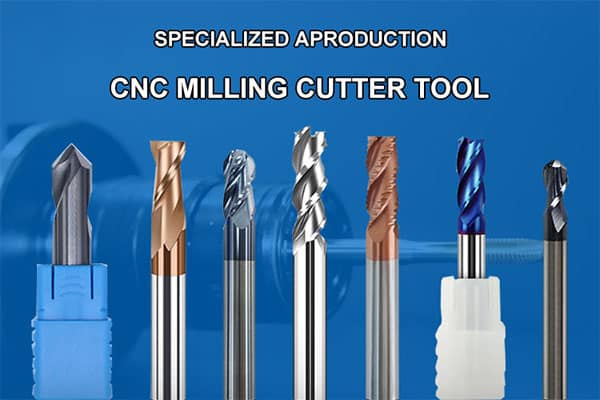
In machining, the milling cutter is a key tool for achieving high precision and efficiency. Choosing the right milling cutter can significantly improve productivity, extend tool life, and reduce production costs. So how can you select the most suitable milling cutter? This article provides a detailed guide on making the right choice.
1. Understand the Main Types and Uses of Milling Cutters
There are various types of milling cutters, each suited for specific machining applications. Here are some common types and their uses:
1. Square End Mill
- Use: Ideal for machining flat surfaces, grooves, and shoulders.
- Features: Straight cutting edges, versatile for roughing and finishing.
2. Ball Nose End Mill
- Use: Used for machining curved surfaces and complex 3D contours.
- Features: Rounded tip, ideal for mold manufacturing and precision work.
3. Aluminum End Mill
- Use: Specifically designed for aluminum and its alloys, suitable for high-speed cutting.
- Features: Sharp cutting edges and excellent chip evacuation to minimize built-up edges.
4. Corner Radius End Mill
- Use: For parts requiring strong edge integrity.
- Features: A blend of flat and round edges, reducing wear and extending tool life.
2. Choose Milling Cutters Based on Material
The hardness and properties of the workpiece material directly affect cutter selection:
1. Aluminum
- Recommendation: High-sharpness aluminum end mills with large helix angles and smooth coatings (e.g., ZrN).
2. Steel and Stainless Steel
- Recommendation: Carbide end mills with TiAlN coating for high heat and wear resistance.
3. Hard Materials (e.g., Titanium Alloys)
- Recommendation: Opt for high-strength carbide end mills with heat-resistant coatings like nano-grade TiSiN.
3. Match Cutting Parameters with Tool Specifications
1. Tool Diameter
- Small-diameter cutters are suitable for intricate details, while large-diameter cutters are better for wide-surface cutting.
2. Number of Flutes
- Low-flute cutters (2 or 3 flutes): Ideal for softer materials like aluminum, providing better chip evacuation.
- High-flute cutters (4 or more): Best for hard materials, ensuring stable cutting.
3. Cutting Speed and Feed Rate
- Cutting speed (SFM) and feed rate (IPT) must align with the material and cutter type to ensure optimal performance.
4. Select the Right Coating and Material
The material and coating of the cutter greatly impact its performance:
1. Tool Material
- HSS (High-Speed Steel): Suitable for low-speed cutting, cost-effective but less wear-resistant.
- Carbide: Excellent for high-speed cutting, highly durable, and applicable to most machining scenarios.
2. Tool Coating
- TiN Coating: A general-purpose coating with good cost-effectiveness.
- TiAlN Coating: Ideal for high-temperature cutting, offering superior wear resistance.
- DLC Coating: Perfect for aluminum machining, reducing built-up edges and enhancing surface finish.
5. Choose Trusted Brands and Quality Tools
1. Brands
- Opt for reputable brands with a proven track record of consistent quality. For example, Chuanhao milling cutters are highly recognized both domestically and internationally for their precision and durability.
2. Quality
- Inspect the cutter’s surface finish and edge sharpness.
- A high-quality milling cutter should have excellent balance and strength to minimize vibration and errors during machining.
6. Maintenance and Tool Life Management
Purchasing a high-quality milling cutter is just the first step. Proper usage and maintenance are equally important:
- Use recommended cutting fluids and parameters to avoid overheating.
- Regularly inspect the cutter for wear and replace dull tools promptly.
- Store tools in a dry environment to prevent rust or accidental damage
Conclusion: Choose the Best Milling Cutter to Enhance Efficiency
Selecting a milling cutter involves balancing factors like workpiece material, cutter type, and coating. By making informed choices and using tools correctly, you can significantly improve machining efficiency and reduce costs. If you need further assistance or want to purchase high-quality milling cutters, feel free to contact us. We are here to provide you with professional support and premium products.


